Beautiful interiors are not just about colours and décor—they are about smart planning that reduces long-term expenses. At Home Mitra Interiors, we have observed how small design mistakes often lead to frequent repairs, unnecessary upgrades, and higher maintenance costs for homeowners. The good news? Most of these issues can be avoided with thoughtful planning and the right material choices.
Whether you are designing a new home or renovating an existing one, understanding these common mistakes will help you maintain a beautiful, durable, and cost-efficient space.
1. Choosing Low-Quality or Incorrect Materials
One of the biggest contributors to rising maintenance costs is the use of cheap or unsuitable materials. While they may look good initially, they wear out quickly.
Examples include:
- Cheap laminates that peel or bubble due to moisture
- Poor-quality plywood that bends or warps over time
- Low-grade bathroom fittings that rust or leak
- Flooring prone to scratches and stains
Investing in quality materials upfront reduces replacements and long-term spending significantly.
2. Ignoring Proper Ventilation
Poor ventilation leads to moisture buildup, which affects furniture, walls, ceilings, and even electrical fittings. This results in repainting, repairs, and frequent cleaning.
Common effects include:
- Mould growth on walls and wardrobes
- Bad odour inside closed rooms
- Swollen woodwork and peeling laminate
- Increased AC maintenance due to humidity
Cross-ventilation and proper airflow are essential to keep interiors healthy and low-maintenance.
3. Overlooking Storage Requirements
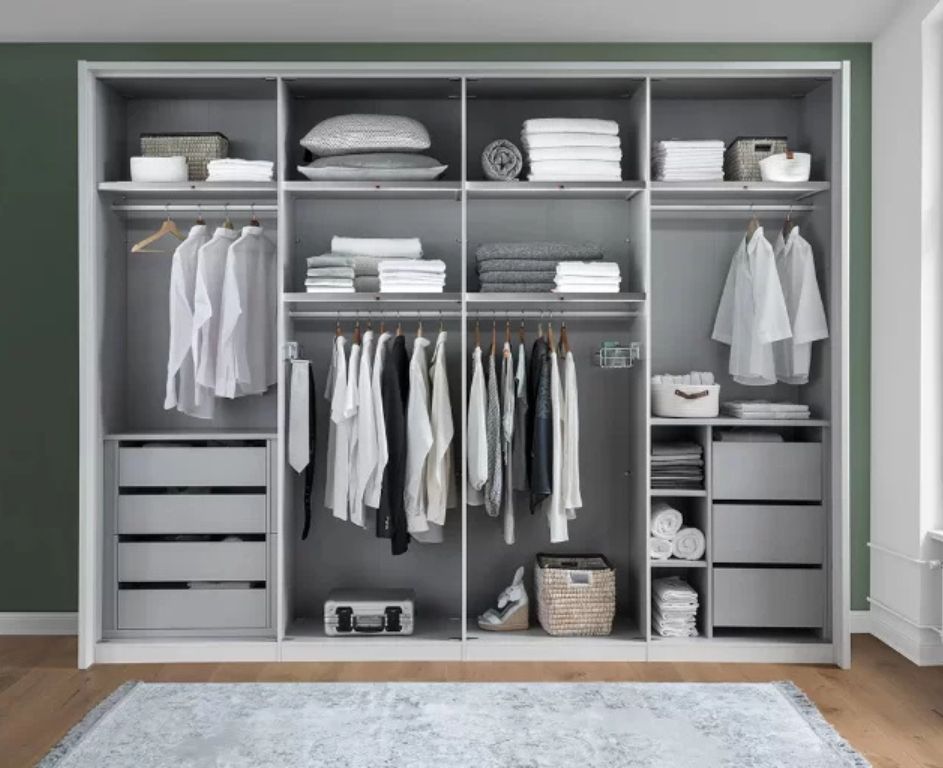
A common mistake is designing too little storage. When belongings pile up on open surfaces, the space looks cluttered and requires more cleaning.
When storage is poorly planned:
- Rooms look messy, requiring frequent re-organising
- Items get damaged due to improper handling
- Extra storage units must be purchased later
Built-in and modular storage solutions reduce clutter and maintenance work dramatically.
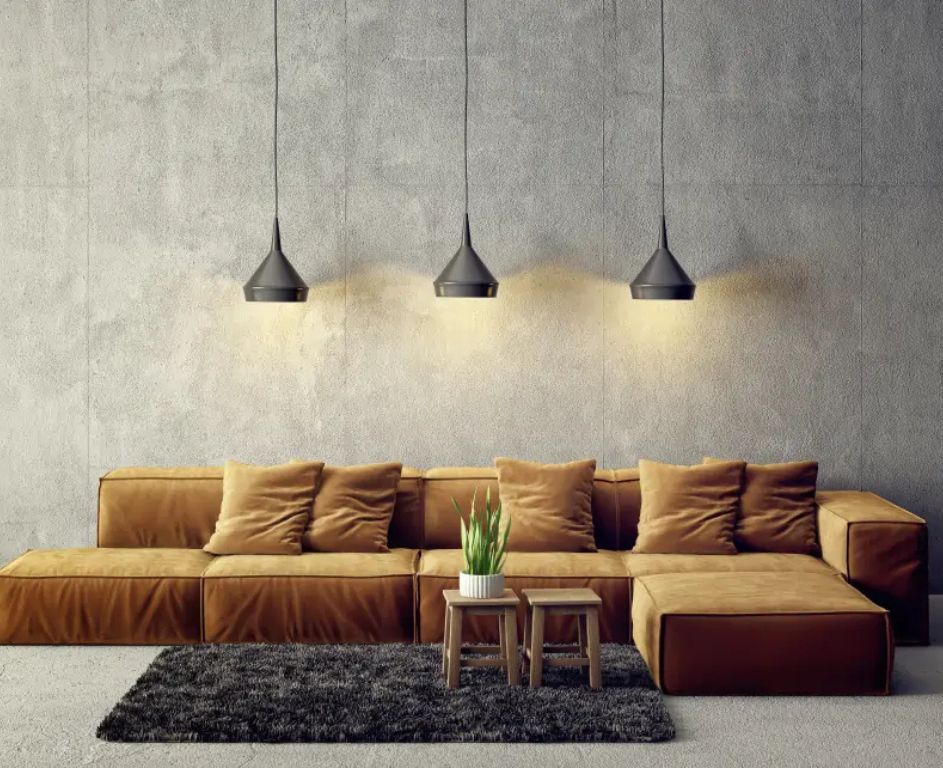
4. Poor Lighting Choices
Lighting affects not only aesthetics but also maintenance. Wrong lighting increases the visibility of dust, uneven paint, and surface marks.
Common lighting mistakes:
- Using harsh white LEDs in small rooms
- Insufficient lighting in kitchens or wardrobes
- Lights placed too close to walls causing shadows
Balanced lighting creates a clean, long-lasting visual appeal with minimal upkeep.
5. Not Planning for Electrical and Plumbing Access
Many homeowners hide electrical points and plumbing lines behind fixed panels or furniture. While it looks neat initially, it becomes expensive when repairs are needed.
What this leads to:
- Breaking tiles to access pipes
- Removing fixed carpentry for wiring repairs
- Frequent leakage issues due to poor placement
Always ensure that access panels are included for essential services.
6. Overusing High-Maintenance Décor
Certain décor materials look premium but require constant cleaning or upkeep.
Examples:
- Glossy surfaces that easily show fingerprints
- Fabric sofas that stain quickly
- Heavy curtains that trap dust
- Open shelves that gather dirt frequently
Opting for easy-clean, durable materials saves time and reduces ongoing maintenance expenses.
7. Skipping Waterproofing in Key Areas
Bathrooms, balconies, and kitchen wet zones must always be waterproofed. Skipping this step leads to leakage, wall damage, mould, and repainting—often costing far more later.
Long-term effects include:
- Cracked tiles and damaged flooring
- Wall dampness and seepage marks
- Weakening of furniture near moisture-prone areas
Proper waterproofing is a one-time investment that prevents expensive repairs in the future.
8. Choosing Trend-Based Designs Over Practical Use
Trends come and go—functionality stays. Many homeowners choose trendy shapes, colours, or layouts that stop being practical over time.
This leads to:
- Frequent remodelling
- High repainting and repair costs
- Difficulty maintaining unusual shapes or surfaces
Timeless, practical designs reduce both maintenance effort and spending.
The Home Mitra Interiors Approach
With over 12 years of experience designing practical and long-lasting interiors, we focus on solutions that reduce maintenance and improve lifestyle comfort. From material selection to layout planning, every detail is chosen to keep your home durable, functional, and easy to maintain.
- Durable materials suited to the space
- Low-maintenance finishes and textures
- Efficient lighting and ventilation plans
- Smart storage solutions
- Access-friendly electrical & plumbing layouts
By avoiding these common mistakes, you can create interiors that stay beautiful and functional for years—without unnecessary repair or maintenance costs.
Conclusion
Interior design should simplify your life, not increase your expenses. When planned correctly, your home becomes easier to maintain, more organised, and much more durable. Avoiding these mistakes ensures long-term savings and peace of mind.
At Home Mitra Interiors, we design spaces that stand the test of time—beautiful, efficient, and low-maintenance.